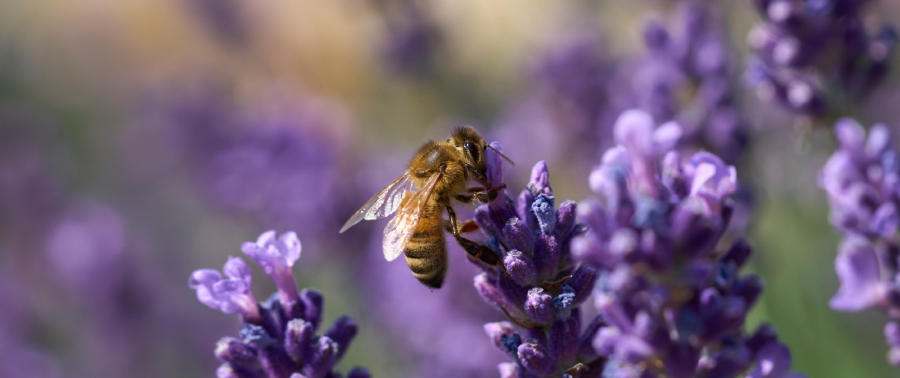
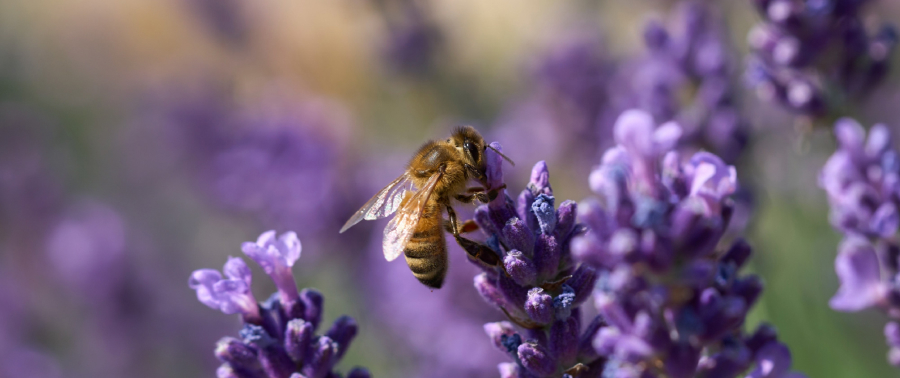
As the first rays of sunshine begin to warm the ground after a long Carpathian winter, nature seems to hold its breath before the arrival of a new season. Buds appear on the branches, the first flowers begin to bloom, and somewhere in the quiet comes the faintest sound of buzzing. The mason bees are waking up – wild bees without which spring in the mountains would be very different.
We rarely hear much about them. They do not live in hives, produce honey, form swarms or establish colonies. Yet every day, mason bees perform one of nature’s most important jobs: they pollinate the plants to sustain an entire mountain ecosystem.
Scientists have identified more than 350 species of these remarkable insects. Some are blue, others greenish or bronze, and many are covered in dense, fluffy hairs that gather pollen as they wander from flower to flower. Look closely and a mason bee may seem more like a tiny fluffy ball than the bee most of us picture.
Perhaps the most fascinating thing about them is their solitary way of life. There is no queen, no community of workers and no guards protecting a colony. A female mason bee spends her short life entirely on her own. She finds a suitable nesting place, builds her nest, gathers pollen, lays eggs and prepares food for the offspring she will never meet.
Her home might be a narrow hollow inside a dry stem, a small hole in a piece of wood or a tiny tube. Inside, she carefully constructs a series of individual chambers. In each one, she leaves a nutritious supply of pollen and nectar, lays a single egg and seals the chamber behind it. The result is a miniature neighbourhood in which every cell becomes a separate nursery.
The mother will never see her young. Her work is complete before the next generation emerges. By late summer, the eggs have developed into larvae. In autumn, they become pupae and spend the entire winter tucked safely inside, waiting for warmth to return.
Then spring arrives, and the cycle repeats itself. When the temperature reaches around +8°C, the first adult bee chews its way out of its cocoon. What happens next can look almost like a scene from a fairy tale: on its way towards the exit, it helps free its siblings one after another. Within minutes, a new generation can emerge from an otherwise unremarkable little tube, ready to begin its work.
And mason bees are remarkably hard workers. They continue flying even in cool weather or light rain, which is one reason they are considered among the world’s most efficient pollinators. Their work helps trees produce fruit, berries ripen and wild plants reproduce. It also helps the Carpathian mountain meadows return each year in a colourful carpet of flowers.
Despite the fear many people associate with bees, mason bees are exceptionally peaceful. There is no hive for them to defend, they are very difficult to provoke, and people are of little interest to them. All they are looking for is flowers, sunshine and a little peace and quiet.
At Bukovel, mason bees and other beneficial insects already have a place where they can find shelter. The resort has installed an insect hotel – an ecological space built from natural materials where wild pollinators can nest, reproduce and spend the winter safely.
Next time you are exploring our eco-trails, stop for a moment by the insect hotel. Perhaps, right then, a tiny mason bee will be returning home after another journey among the flowers.
And thanks in part to the tireless work of these tiny pollinators, the Carpathians will burst into bloom all over again next spring.