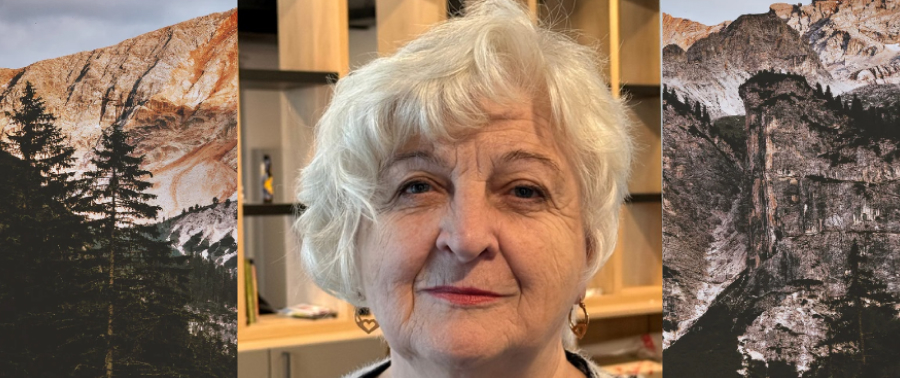
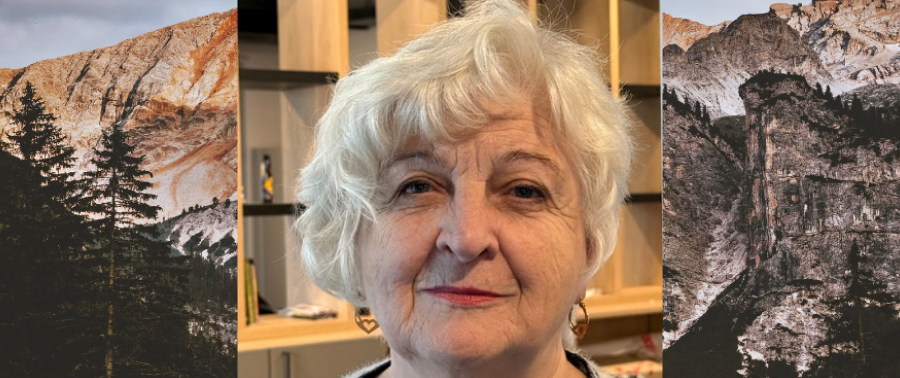
Today, we meet Oleksandra Mecheva, Bukovel's Cultural Affairs Coordinator, Art Curator and Artistic Text Editor. Oleksandra joined the resort's Sustainable Development Office more than a year ago.
People are looking for meaningful experiences
— Welcome, Oleksandra! Today, Bukovel is more than a resort. It's also a place for culture, art and new experiences. How would you describe Bukovel's cultural mission, and what role does culture already play in its development?
— Hello! Every new venture needs room to grow. Bukovel was originally conceived as a destination for winter recreation. It quickly became a magnet for skiing enjoyers, offering a welcome escape from office life. The slopes attracted everyone from experienced skiers to complete beginners. That brought an important challenge: how could we establish a culture of skiing and help people make realistic assessments of their skills and abilities? It was something we developed gradually over the years.
We also recognised that an exclusively wintersports getaway could only offer so much, thus began exploring the idea of contrasting experiences. After an exhilarating day on the slopes, the body craves the complete opposite: warmth, comfort and the chance to do absolutely nothing. Yet as soon as the morning sun appears, the excitement returns, and another skiing day begins.
Then came guests who weren't necessarily interested in skiing at all. They simply wanted to unwind and enjoy the beauty of the mountains. For them, swimming pools, hot tubs and SPA experiences were the perfect addition to a mountain getaway. This opened up another direction: helping people discover the value of welness treatments.
Our next ambition was to give these experiences greater meaning by bringing guests together through shared traditions. That's how our large-scale winter festivals began. Christmas, New Year and Malanka celebrations in the mountains are much more than dates on the calendar. They have an atmosphere of their own. We wanted guests to experience that festive spirit through joyful carolling, nativity performances, and regional cuisine. These festivals helped make Bukovel a place where families celebrate traditions together, while winter retreats take on a special kind of magic against the snowy Carpathian backdrop.
New opportunities continued to emerge as circumstances changed. Russia's invasion of Crimea inspired us to welcome children to the resort for summer holidays and carry forward the wonderful tradition of Artek camps. This led to the creation of Artek-Bukovel, which opened up entirely new possibilities for how we approached recreation. The children's camp brought fresh energy and a different set of responsibilities. We realised that holidays for young people should offer more than entertainment. They should encourage personal development, creativity and the values that shape who we become. The mountains provided an extraordinary natural stage. Through creative workshops, theatre productions, campfire gatherings and encounters with Carpathian culture, we helped children develop leadership skills and a deeper love for their country. Artek-Bukovel grew into a genuine centre for education and culture, showing that a modern resort can play a meaningful role in nurturing the country's next generation.
Step by step, Bukovel evolved from a ski resort into a year-round destination, and our artistic ambitions developed alongside it, embracing everything from the region's historical heritage to contemporary creative movements. In fact, we started this journey well before cultural tourism became a trend. Since 2008, Bukovel has hosted annual nationwide plein-air gatherings, bringing artists together to paint in the open air. These experiences helped us realise that the Carpathians are not only a place to celebrate the traditions of the past, but also a setting for contemporary art. Initially, we focused on introducing visitors to traditional Hutsul culture, craftsmanship and authentic local heritage. Today, Bukovel also hosts contemporary Ukrainian music, exhibitions by modern artists and innovative creative projects. The mountains have proved to be the perfect setting for bringing our cultural roots together with the latest artistic trends. It's a powerful reminder that Ukrainian culture is alive, constantly evolving and helping shape the country's creative direction.
Ultimately, today's travellers want more than a beautiful mountain hotel. They're looking for meaningful moments, emotions and experiences they'll remember. Culture is what gives Bukovel its distinctive atmosphere and makes people want to come back time and again.
Bringing smaller, more intimate cultural events to the resort
— Which cultural projects and initiatives have been most important for Bukovel in 2026? What have you achieved, what makes you particularly proud, and what results are you seeing?
— In 2026, we made a conscious decision to focus on classical art, introducing intimate cultural evenings in the open air.
In music, we launched open-air classical music evenings. While large popular music concerts are regularly held at the resort's hotels and remain very popular, we noticed that many guests also have a real appreciation for classical music. So this year, we invited the talented musicians of the Ivano-Frankivsk Regional Philharmonic to contribute to our programme, including the wonderful Ladies String Quartet. the moment their instruments began filling the Carpathian landscape with music by Ukrainian and international classical composers, we knew we'd made the right choice. The beautiful sound of violins and cello draws people in almost like a magnet, and the audience keeps growing.
In literature, we introduced poetry readings, a completely new and significant initiative for Bukovel. We chose to begin with the work of Lina Kostenko, one of the true legends of contemporary Ukrainian literature. These open-air gatherings attracted people looking for quiet reflection, meaningful words and the emotional depth of her poetry. Listening to her verses among century-old spruce trees creates the kind of pure, unforgettable experience that stays with you long afterwards.
In painting, we continued our nationwide plein-air tradition. This long-established initiative is still growing, and this year we once again welcomed talented Ukrainian artists from across the country to create their work amid the Carpathian scenery. The gathering was especially meaningful because it honoured the memory of Opanas Zalyvakha, the renowned dissident and nonconformist artist. He lived, worked and created art here in the Prykarpattia region, so paying tribute to his legacy is a matter of honour for us. The project culminated in an exhibition at TAVEL Hotel. I hope we'll continue actively introducing more people to his fascinating and important body of work.
Investing in culture creates meaning
— Why should a major tourist resort invest not only in infrastructure, hotels and entertainment, but also in art, literature, music and cultural events?
— Investing in culture transforms a resort into a destination with genuine meaning and character. Ski slopes and hotels provide comfort, but art creates emotional value. And there are several reasons, supported by our own experience, why that matters.
First, culture makes a destination distinctive. You can find excellent hotels almost anywhere, but classical music and poetry performed among the mountains create a unique sense of place that simply can't be reproduced.
Second, it attracts a discerning audience. Cultural experiences appeal to thoughtful, curious visitors who appreciate beauty, tranquillity and the opportunity to recharge.
Third, it helps make the resort attractive throughout the year. Exhibitions and literary readings aren't dependent on particular weather conditions, giving people another reason to visit during the quieter periods between seasons.
And there's another important benefit: culture creates the emotional connections that bring people back. Guests may forget the finer details of a service, but an evening of live music or poetry beneath the star-filled sky can stay with them for a lifetime.
— How would you describe Bukovel's cultural life in 2026? Have visitors changed, along with their expectations or their perception of the resort as somewhere they can discover Ukrainian culture as well as enjoy a holiday?
— In 2026, the thirteenth year of the war, Bukovel has completed its transformation from a destination focused on entertainment into a safe space for emotional recovery and a gentle reconnection with Ukrainian culture.
I'd highlight two broad groups of visitors: people seeking refuge from shelling, and military personnel returning from the trenches, alongside people who actively support charitable causes. Many of our guests now come from areas close to the front line in search of peace and quiet, while others are service members spending a short period here for rehabilitation. As a result, the demand has shifted away from noisy celebrations towards tranquillity, psychological recovery and the chance to disconnect from the digital world.
It's also heartening to see that every cultural event now has a clear patriotic purpose and includes fundraising for the Armed Forces of Ukraine, particularly to help provide rest and recovery opportunities for the children of those defending our country.
For people worn down by years of war, Bukovel has become somewhere Ukrainian culture can offer comfort and healing, provide the long-awaited peace they need and reconnect them with the heritage and roots for which the country continues to fight.
— Bukovel welcomes guests from across Ukraine and abroad. How do cultural initiatives introduce them to Ukrainian art, history and traditions, especially the heritage of the Hutsul region?
— I've already mentioned several of these initiatives, but there's one place I'd particularly like to highlight: Hutsul Land. It's a small, wonderfully welcoming open-air museum here at Bukovel, bringing together some of the most fascinating elements of traditional highlander life and telling the story of this region with genuine depth and affection.
Art needs financial support, but the investment pays off through guest loyalty
— How do you balance the commercial priorities with cultural initiatives that have value in their own right? Can culture become more than an extra attraction and instead form part of Bukovel's identity?
— The key is recognising that art will always need financial support, but that investment comes back to the resort through its reputation and the loyalty of its guests. Culture rarely generates a direct financial return on its own. What it does create is an intangible value that matters enormously. Without it, even the most successful commercial destination risks becoming little more than a soulless set of hotels.
— What role do local artists, cultural institutions, community organisations and partners play in shaping the resort's cultural development? Have any partnerships established in 2026 shown potential for long-term growth?
— Local artists, traditional craftspeople and cultural institutions are the creative heart of our region. Without them, Bukovel would lose the very character that makes it distinctive. Large businesses can provide the scale, but it's these people who carry the authentic spirit of Hutsul culture. For us, their contribution is the foundation of the resort's entire identity.